
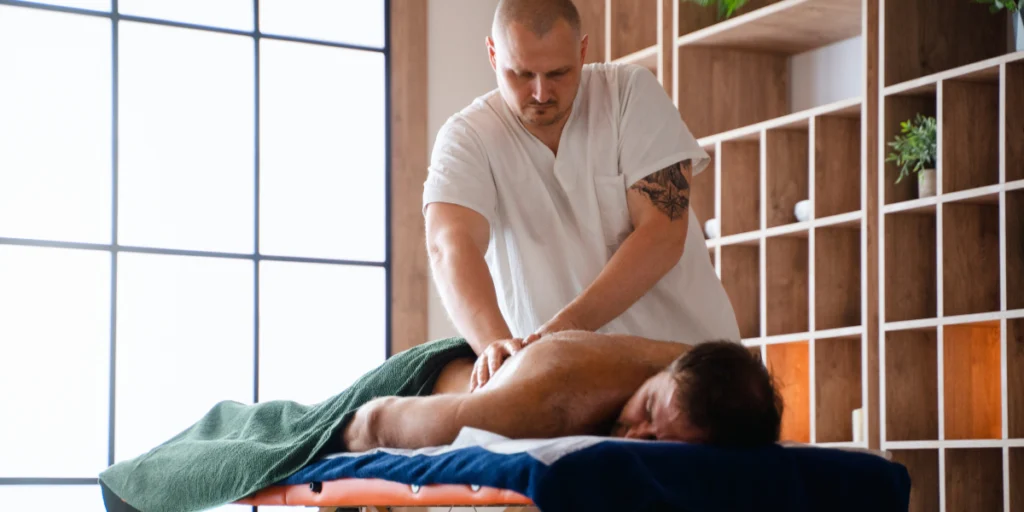
Not all massages are created equal. When booking an appointment, many people use the word “massage” as a catch-all term, without realizing that the type they choose can mean the difference between melting stress away and addressing a persistent muscle injury. Therapeutic massage and relaxation massage are two of the most common options available, and while they share the same basic premise of hands-on healing, they serve very different purposes.
Knowing which one is right for you comes down to understanding your goals, your body’s needs, and what actually happens on the table during each session. This blog breaks down the key differences so you can walk into your next appointment with confidence and walk out feeling exactly the way you hoped.
Types of Massage Therapy Explained: A Quick Reference
There are more massage styles out there than most people realize, and each one serves a different purpose based on your body’s needs.
Swedish Massage
Swedish massage uses gentle, flowing strokes to relax the entire body and reduce everyday stress. It helps improve circulation and promotes a calm, balanced state.
Deep Tissue Massage
Deep tissue massage applies slower, firmer pressure to reach deeper muscle layers. It is often used to relieve chronic tension, knots, and ongoing pain.
Medical Massage
Medical massage focuses on specific health conditions and injury recovery. It is often part of a treatment plan designed to support healing and pain relief.
Myofascial Release
Myofascial release works on the tissue around the muscles to help ease tightness and improve movement. It helps improve movement and release restrictions caused by injury or stress.
Craniosacral Therapy
Craniosacral therapy uses very light touch to support the central nervous system. It helps reduce stress, tension, and the effects of trauma on the body.
Sports Massage
Sports massage is for active individuals and athletes to support recovery and prevent injury. It helps prepare muscles for activity and speeds up healing after physical strain.
Many therapists blend these styles based on what your body actually needs during each session, so your experience may draw on more than one approach.
What Is a Relaxation Massage?
A relaxation massage, most commonly known as a Swedish massage, is designed to help your body and mind fully unwind. The goal isn’t to fix a specific problem; it’s to give you a genuinely calming experience from start to finish.
How It Works
The therapist uses smooth, flowing movements and gentle kneading with light to moderate pressure throughout the body. The pace is slow and steady, guiding your nervous system into a state of rest.
What It Feels Like
It’s comfortable from beginning to end, with no targeted pressure on painful spots. You’ll likely feel lighter, calmer, and noticeably less tense when you walk out.
Who Should Get One
This massage works well for people dealing with stress, anxiety, or emotional fatigue. It also suits those new to massage and who prefer a gentle introduction. It is a good choice if the goal is better sleep, relaxation, or a general mental and physical reset without addressing specific injuries.
What Is a Therapeutic Massage?
Therapeutic massage is a broader term for any hands-on technique used to treat a specific physical issue. It moves past relaxation and focuses on real healing work, addressing pain, tension, injury, and dysfunction.
How It Works
The therapist uses medium to deep pressure and focused techniques to work on the deeper muscles and tissues. Sessions are more structured, with extra attention paid to your specific problem areas, such as the lower back, neck, or shoulders.
What It Feels Like
Most people describe it as a “good pain”. There’s some intensity in the moment, but the relief that follows can last for days or even weeks. It’s productive discomfort, not harmful pain.
Who Should Get One
This massage works well for people dealing with stress, anxiety, or emotional fatigue. It also suits those new to massage and who prefer a gentle introduction. It is a good choice if the goal is better sleep, relaxation, or a general mental and physical reset without addressing specific injuries.
Therapeutic Massage vs Relaxation Massage: A Side-by-Side Look
Sometimes a simple comparison is all you need to make the right call. Here’s how these two approaches stack up.
| Feature | Relaxation Massage | Therapeutic Massage |
| Primary Goal | Stress relief and relaxation | Pain relief and physical healing |
| Pressure Level | Light to medium | Medium to deep |
| Focus Area | Whole body | Specific problem areas |
| Session Feel | Comfortable throughout | May include some discomfort |
| Best For | Stress, anxiety, general wellness | Injury, chronic pain, limited mobility |
| Setting | Spa or wellness center | Clinical or therapeutic setting |
| Duration of Benefits | Hours to a day | Days to weeks |
Difference Between Deep Tissue and Swedish Massage
When people talk about deep tissue vs Swedish massage, they’re really describing the two most well-known styles within the relaxation massage category. Knowing the difference between both helps you ask the right questions when booking a session.
Swedish Massage
Swedish massage uses lighter strokes and works on the surface-level muscle tension in your body. It’s gentle, easy to tolerate, and great for anyone who needs to relax and reset.
Deep Tissue Massage
Deep tissue massage uses slow, steady pressure to work on the deeper muscles and tissues in the body. Therapists may use their forearms or elbows to work through stubborn knots and scar tissue that lighter techniques can’t reach.
The Pressure Difference
Swedish massage stays comfortable throughout, while deep tissue can feel more intense in certain areas. Neither should ever cause real pain. Open communication with your therapist makes all the difference.
The Type of Massage You Need Based on Your Lifestyle
Figuring this out narrows down to one simple thing: what is your body dealing with right now?
Choose Relaxation Massage If:
- Stress and anxiety are your biggest concerns
- You want better sleep and a calmer mind
- You need a full-body reset without any deep work
- You’re a first-timer who wants a comfortable start
Choose Therapeutic Massage If:
- You’re managing a specific injury or chronic condition
- You have postural problems from sitting or standing for long hours
- You’re an athlete who needs faster recovery
- You want lasting relief, not just temporary comfort
Still unsure? A good therapist will talk through your needs before the session and help you figure out the best approach together. If you are ready to experience care that listens to your body and supports real results, explore the full range of massage services at Heart of Healing Therapeutics. Book your session today and take the next step toward feeling better in your body!
Benefits of Getting A Medical Massage: When Massage Becomes Healthcare
Most people think of massage as a wellness treat, but the benefits of a medical massage go much deeper than that. When applied with clinical intent, massage becomes a real part of your healthcare, not just a nice extra.
Some of the main benefits include less inflammation, quicker recovery from injuries and surgeries, better nerve function, improved posture, and ongoing relief from problems like whiplash, back pain, and joint pain.
Medical massage is often part of a larger treatment plan and can work alongside physical therapy or chiropractic care. Your therapist can also provide session notes for your doctor or insurance provider.
Frequently Asked Questions
1. What type of massage do I need?
If what you want is stress relief, a relaxation massage is usually the best choice. If you are dealing with pain, tension, or an injury, a therapeutic massage may be more effective.
2. Is therapeutic massage more painful than relaxation massage?
It can feel more intense, especially in tight or injured areas. Most people call it a “good pain”, temporary discomfort that leads to lasting relief.
3. How often should I get a massage?
For general wellness, once or twice a month works well. For injury recovery or chronic pain, more frequent sessions may be needed at first.
4. Can I switch between relaxation and therapeutic massage sessions?
Yes, absolutely. Many people do both, depending on how their bodies feel at any given time.
5. Does medical massage require a doctor’s referral?
Not always. But if you’re recovering from an injury or surgery, it’s a good idea to loop in your healthcare provider. Your therapist can provide session notes to support that process.
Conclusion
When comparing therapeutic massage and relaxation massage, it’s helpful to remember that each serves a different purpose. Relaxation massage encourages rest and stress relief, and therapeutic massage focuses on relieving pain, tension, and physical discomfort. Both can support your overall well-being and help you feel your best. A better understanding of these approaches can make it easier to choose the massage that aligns with your current needs.
Your body deserves care that goes beyond temporary relief. We provide specialized, advanced myofascial bodywork and hands-on treatments that support recovery, ease discomfort, and help restore balance throughout the body. Contact us today to find the approach that best fits your needs!