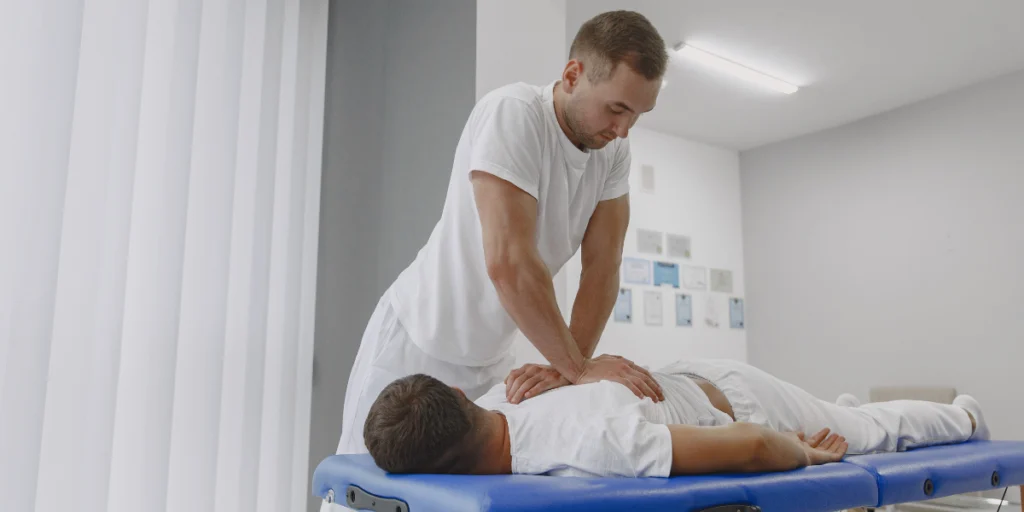
Recovery after surgery or injury is rarely a straight road. There’s pain, stiffness, swelling, and sometimes the frustrating feeling that your body just isn’t bouncing back fast enough. That’s where massage therapy for injury recovery can make a real difference. It’s not just about relaxation. It’s a hands-on, evidence-supported approach that works alongside your body’s own healing process to help you feel better, move better, and get back to your life sooner.
What Is Massage Therapy in Simple Words?
Massage therapy is a hands-on way of caring for the body using gentle to firm pressure on muscles and soft tissues. It helps reduce pain, ease tension, improve movement, and support the body’s natural healing process. It is often used for relaxation, recovery, and overall physical well-being.
What Happens to Your Body After Surgery or Injury?
Before we get into how massage helps, it’s worth understanding what your body goes through after a surgery or an injury.
Pain and Muscle Tension
Surgical trauma and injuries directly affect the surrounding muscles. The body tightens up as a protective response, which can cause persistent muscle guarding, reduced mobility, and referred pain in areas near the injury site.
Scar Tissue Formation
Every surgery and injury leads to scar tissue. Unlike healthy tissue, scar tissue forms unevenly and can stick together, limiting movement and causing ongoing tightness.
Swelling and Poor Circulation
Fluid buildup slows healing by depriving tissues of oxygen. Without proper circulation and lymphatic flow, recovery can stall, and discomfort can linger much longer than necessary.
How Massage Therapy Actively Supports Healing
Therapeutic massage after surgery works by addressing these specific problems in a targeted, intentional way. Each technique is chosen to meet your body where it is at in its current stage of recovery.
Reducing Pain Without Extra Medication
Research shows that massage therapy can help reduce post-surgery pain. It works by calming the nervous system and helping the body feel safe again after trauma. This can lower pain levels and make recovery more comfortable, especially when used along with medical treatment.
Improving Circulation and Reducing Swelling
Massage stimulates blood flow and supports the lymphatic system, helping the body clear excess fluid from swollen areas. Better circulation means more oxygen and nutrients reach damaged tissue, which directly speeds up healing.
Managing and Releasing Scar Tissue
This is one of the most clinically significant benefits. Massage therapy for scar tissue uses gentle, targeted pressure to help break up tight areas formed during healing. It helps the tissue become softer and more flexible so the body can move more easily. Without care, scar tissue can stick together and lead to stiffness, reduced movement, and long-term discomfort.
Post-Surgery Massage Benefits You Should Know
These benefits extend well beyond the physical. Recovery is a whole-body experience.
Physical Recovery
Massage helps the body heal after surgery by working on tight muscles and affected tissues. It improves joint movement, reduces strain from overcompensation in other areas, and helps the muscles and connective tissue return to normal function.
Emotional Recovery
Surgery and injury can take a serious toll on your mental state. Anxiety, frustration, and even depression are common during long recoveries. Massage has been shown to reduce cortisol levels and increase serotonin levels, providing measurable emotional relief that supports the healing process.
Sleep and Nervous System Support
Pain can make it hard to sleep, and not sleeping well can slow down recovery. Massage helps the body relax by calming the nervous system, which makes it easier to fall asleep and stay in a deeper, more restful sleep that supports healing.
Rehabilitation Massage: How It Works With Your Recovery Plan?
It is most effective when it’s part of a broader recovery plan that includes guidance from your physician or physical therapist.
- Your doctor should clear you for massage before sessions begin, especially post-surgery
- Start with gentler techniques like lymphatic drainage early in recovery
- Progress to deeper work, including myofascial release, as tissues heal
- Communicate clearly with your therapist about pain levels and any new symptoms
Timing is important. Starting a massage after medical approval can help stop scar tissue from becoming too tight. In later stages, massage can work on deeper restrictions and help bring back normal movement and function.
Struggling with pain, tension, or a slow recovery? We specialize in myofascial bodywork and injury recovery care to help your body heal the right way. Book your appointment today and start feeling better!
What Types of Massage Are Best for Recovery?
Different techniques serve different purposes in recovery. A skilled therapist will match the method to your specific needs.
Myofascial Release
This technique works on the fascia, the thin connective tissue that wraps around muscles and organs. After an injury or surgery, this tissue can become tight and stiff. Myofascial release uses slow, steady pressure to loosen these tight areas and help the body move more naturally again.
Deep Tissue Massage
Deep tissue work goes into the deeper layers of muscles and connective tissue. It helps break up scar tissue and ease long-term muscle tension that can build up during recovery.
Lymphatic Drainage
Light, rhythmic strokes stimulate the lymphatic system to move fluid out of swollen areas. This technique is especially valuable in the early stages of post-surgical recovery when swelling is a primary concern.
Trigger Point Therapy
Certain tight spots in the muscles, called trigger points, can cause pain in other parts of the body. Applying focused pressure to these areas helps release the tension and reduce pain that may feel like it is coming from somewhere else.
When Is It Safe to Start Massage After Surgery?
The right time for massage therapy for injury recovery depends on the type of surgery, how your body is healing, and your doctor’s advice. Below is a simple timeline to help you understand what is usually safe at each stage. These methods improve movement, reduce stiffness, and support long-term healing.
First 1 to 2 Weeks: Rest and Protection
During this early stage, the body is focused on healing and protecting the surgical area. Massage is avoided directly on or near the incision.
Rest is the priority, and any hands-on care should only be done if approved by a doctor.
Weeks 2 to 6: Gentle Support Around the Area
At this stage, light techniques like lymphatic drainage may be introduced if your physician allows it. These are done around the surgical site, not directly on it.
The goal is to reduce swelling and support early healing without stressing the tissue.
6 Weeks and Beyond: Deeper Recovery Work
Once the tissue has healed properly, deeper techniques can be used. This may include scar tissue work and myofascial release.
Frequently Asked Questions
Q1: How soon after surgery can I get a massage?
Most people wait 2 to 6 weeks before starting a massage, depending on the type of surgery and the healing process. Medical approval is needed first. Gentle lymphatic work around the surgical area is usually the first safe step.
Q2: Does massage help with scar tissue?
Yes. Scar tissue massage uses focused pressure to help soften tight areas that form during the healing process. Over time, it can improve flexibility, reduce stiffness, and ease discomfort around the scar.
Q3: Can massage therapy reduce the need for pain medication after surgery?
Yes, studies show that adding massage to recovery care can improve pain control after surgery. The post-surgery massage benefits include better comfort levels and reduced reliance on pain medication in some cases, especially as healing progresses.
Q4: How many sessions will I need?
The number of sessions depends on the type of surgery, recovery rate, and overall health. Some people notice changes after a few visits, while others benefit from ongoing sessions over several weeks during recovery.
Q5: Is massage therapy safe for all post-surgical patients?
Massage is safe for many people once healing is stable, but not in every case. Conditions like blood clots, infections, open wounds, or surgical complications may require avoiding massage. Medical approval is always important before starting.
Conclusion
Healing does not happen all at once. It takes time, care, and steady support. Therapeutic massage after surgery, when properly guided, can play a significant role in that process. It helps ease pain, improve circulation, soften scar tissue, and restore movement. It can also help the body and mind feel more at ease during recovery, especially when things feel slow or uncomfortable. For anyone recovering from surgery or an injury, adding massage to a recovery plan can make the healing journey feel more supported and manageable.
Healing works best with the right kind of support. Heart of Healing Therapeutics provides personalized bodywork that helps reduce pain and improve movement. We also provide craniosacral therapy for those needing gentle nervous system support during recovery. Contact us today for a personalized recovery plan tailored to your specific needs!