
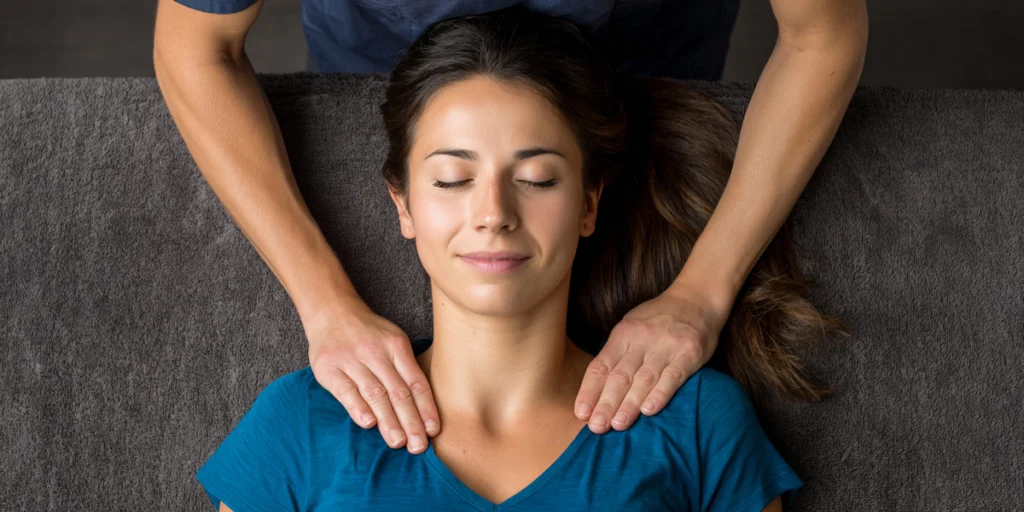
Stress has a way of creeping into your shoulders, your jaw, and even your sleep before you notice it. Maybe you have caught yourself hunched over your laptop with your neck aching, or you have woken up tired despite a full night’s sleep, wondering why rest is no longer helping. This is where massage therapy comes into play.
Massage is not just a treat you book on vacation or during a rare spa day when things get busy. It is a real, research-backed tool for calming your nervous system, easing tight muscles, and allowing your muscles to relax and recover from ongoing tension. Here is what you should actually know.
What Happens to Your Body When Stress Builds Up
Your body doesn’t know the difference between a looming work deadline and an actual emergency. When stress hits, your brain signals your adrenal glands to release cortisol and adrenaline. These hormones tighten your muscles, speed up your heart rate, and shift blood flow away from digestion and toward your limbs, preparing you to respond quickly to what your brain perceives as a threat, even when no physical danger is present.
That response is helpful for a few minutes. It’s not helpful when it lingers for weeks or months. Chronic stress keeps your muscles in a low-grade state of tension, especially around your neck, shoulders, and lower back, which may contribute to headaches, poor sleep, digestive trouble, and a general feeling of being worn down no matter how much rest you get.
What the Research Says About Massage and Stress Management Therapy
Research suggests that massage therapy may support the body’s relaxation response, although the exact effect on cortisol levels is still being studied.
A review published in Complementary Therapies in Clinical Practice reported that moderate-pressure massage has been associated with increased vagal activity, reduced heart rate and anxiety, and lower cortisol levels in several studies. The review also noted that massage may influence brain regions involved in stress regulation, although more high-quality research is needed to better understand these mechanisms.
A large 2011 systematic review published in the Journal of Bodywork and Movement Therapies found that massage therapy’s effect on cortisol, the body’s primary stress hormone, was generally small and not statistically significant. The researchers concluded that while massage consistently helps reduce pain, anxiety, and depression, these benefits are probably explained by mechanisms other than a major drop in cortisol levels. This highlights that massage may promote relaxation through several pathways, rather than simply lowering stress hormone levels.
Researchers continue to study how long these physiological changes last and which mechanisms are most responsible for massage’s benefits. Even when cortisol changes are small, massage has consistently been associated with reduced anxiety, improved mood, and decreased pain in many clinical studies.
People who receive regular massage report less anxiety, better sleep quality, and fewer tension headaches compared to those who don’t. It’s not a cure-all, but it’s a genuinely effective piece of a bigger stress-management picture.
The Ways Massage Physically Works Through Stress
Massage works on your body in a few distinct ways, and each one plays a role in helping you feel more like yourself again.
· It Calms Your Nervous System
Touch activates your parasympathetic nervous system, the part responsible for rest and digestion. When a skilled therapist applies steady, intentional pressure, your body starts to shift out of fight-or-flight mode. Your heart rate slows, and your breathing deepens.
· It Releases Physical Tension
Stress often shows up as tight muscles, especially in the neck, upper back, and jaw. Massage helps reduce muscle tension by manipulating soft tissues and promoting relaxation, improving blood flow, and helping muscles release the guarding pattern they’ve developed over time.
· It Supports Emotional Processing
Some people are surprised by how emotional a massage session can feel. Chronic stress often contributes to persistent muscle tension and physical discomfort. As that tension eases during massage, some people report feeling unexpectedly emotional, although individual experiences vary.
· It Improves Sleep Quality
The relaxation response triggered by massage, together with reduced muscle tension, may contribute to better sleep quality for many people. Many people report falling asleep more quickly and waking up less often after a session, making it easier to handle the next day’s stress with a clearer head.
Top Benefits of Therapeutic Massage Beyond Relaxation
Stress relief is only part of the story. Regular bodywork supports several other areas of your health, including:
- Improved posture with reduced pressure on the neck and lower back
- Faster recovery of range of motion after an injury
- Lower inflammation linked to chronic stress
- Fewer tension headaches and less frequent migraines
- Sharper mental clarity, since your mind isn’t constantly bracing against physical tension
Choosing the Right Type of Massage for Your Stress
There isn’t a single universal answer, because the best massage depends on what your body needs. Therapeutic massage, which combines full-body relaxation with targeted point work, is often a strong starting point for general stress and tight areas. If your stress is tied to a specific injury or a chronic pain pattern, a more targeted approach, such as myofascial bodywork, might get to the root of the problem faster.
Some people find craniosacral therapy deeply relaxing, although scientific research validating its effectiveness in easing stress remains limited. It uses light touch to calm the central nervous system rather than deep pressure, which makes it a good fit for anyone who feels overstimulated, on edge, or generally overwhelmed by the demands of daily life.
Building a Stress Management Therapy Routine That Actually Works
A single session can help you feel better for a few days. A consistent routine is what creates lasting change, the same way one workout won’t build lasting strength but a regular habit will. Think of these as small building blocks that add up over weeks and months, not a checklist you have to complete perfectly.
· Start with Weekly or Biweekly Sessions
If your stress levels are high, more frequent sessions at the beginning can help your body reset more quickly. Once things stabilize, space appointments out to once a month for maintenance, adjusting again if a particularly demanding season comes along.
· Pair Massage with Deep Breathing
Slow, deep breaths during your session help activate the same calming response in the nervous system that massage does. Practicing that same breathing pattern for even a minute during a stressful moment outside your appointment can help you access some of that same calm on your own.
· Track Your Stress Triggers
Notice if your shoulders are becoming tense and moving towards your ears or your jaw clenches. Recognizing your personal stress signals early makes it easier to manage them before they build up, and mentioning these patterns to your therapist helps them focus on the areas that need it most.
· Stay Hydrated After Your Session
Drinking water after a massage helps maintain normal hydration, particularly if you’ve been lying in a warm room or received deeper tissue work. While hydration supports overall health, there is little evidence that drinking extra water after a massage enhances its effects. Staying hydrated over the following day or two can also ease any mild soreness from deeper work.
· Combine Massage with Movement
Gentle stretching or walking between sessions helps maintain the looseness and range of motion you gained during your appointment. Even ten minutes of light movement a day can keep your body from settling right back into old tension patterns.
· Talk to Your Therapist about What’s Going On
Your therapist can’t read your mind. Sharing what’s stressing you out, physically and mentally, helps them tailor each session to what you actually need that day. Even a quick mention of a rough week can change how they approach your session.
Signs Your Body Might Be Asking for a Massage
Sometimes it’s hard to know when stress has crossed the line from manageable to something your body needs help with. A few common signs to watch for include:
- Waking up with a tight jaw
- Holding tension in your shoulders without realizing it
- Getting headaches more often than usual
- Feeling like your body simply won’t relax even during downtime
- Noticing the same tightness or fatigue showing up week after week
These signs tend to build slowly, so it’s easy to write them off as just part of a busy week. But catching the pattern early usually means less work is needed to bring your body back to a comfortable baseline, rather than waiting until the tension feels like a permanent part of how you move through the day. If any of this sounds familiar, it might be time to book a session rather than push through.
Frequently Asked Questions
1. Does massage therapy reduce stress?
Yes, Studies suggest that massage therapy can reduce feelings of stress and may temporarily lower cortisol levels. Some research also indicates possible increases in serotonin and dopamine, although findings are mixed. Researchers don’t always agree on how long the effect lasts, but the short-term drop in stress hormones appears repeatedly in clinical research.
2. How does massage therapy help stress?
Massage activates your parasympathetic nervous system, shifting your body out of fight-or-flight mode. It also releases muscle tension, improves circulation, and supports deeper sleep, making it easier to recover from daily pressure.
3. What is the best massage for stress relief?
It depends on what your body needs. Therapeutic massage works well for general relaxation and tight areas. Myofascial bodywork targets stress tied to a specific injury. Craniosacral therapy suits stress that feels more emotional or nervous-system related.
Final Thoughts
Stress isn’t something you have to just live with. Your body gives you clues along the way, and learning to listen to them can make a real difference in how you feel day to day. Massage therapy offers a proven, hands-on way to interrupt the stress cycle, calm your nervous system, and give your muscles a genuine chance to recover. If you’re dealing with an especially demanding season of life or you simply want to feel more like yourself again, consistent bodywork can help you get there and stay there.
If you’re ready to experience these benefits firsthand, we are here to help. Reach out today to schedule your massage therapy session in Broomfield, CO, and take the first step toward feeling lighter, calmer, and more balanced.